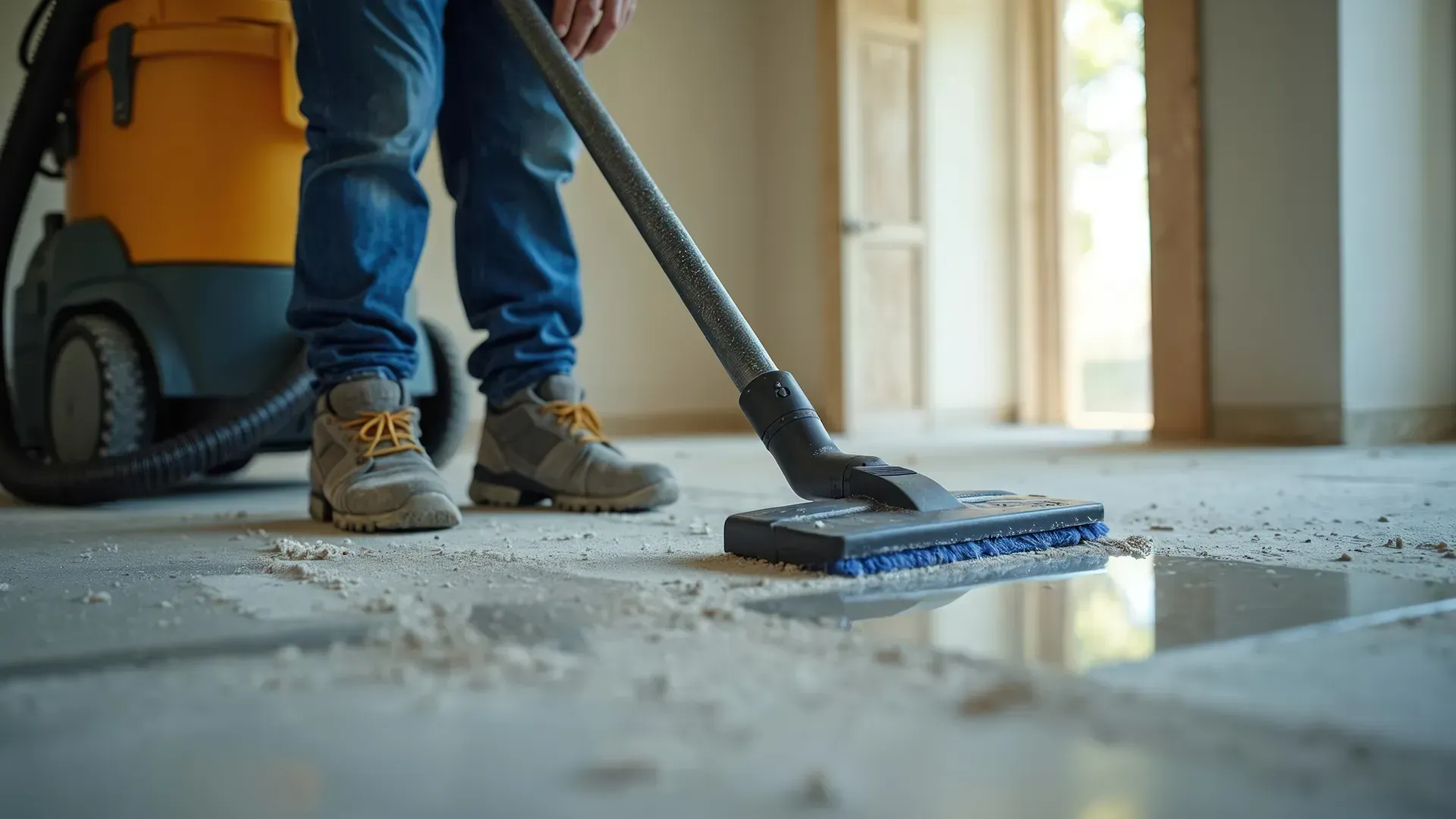
Why Regina Businesses Lose Their Floors Every Winter (And How to Stop It)
You Can Shine This Winter

Every fall, Regina business owners budget for winter tires, block heaters, and higher heating bills. Almost none of them budget for what winter does to their floors. By March, the entryway that looked sharp in October is dull, stained, and sometimes visibly etched — and most owners just chalk it up to normal wear.
It isn’t normal wear. It’s damage, and it happens for a predictable reason: between November and April, every commercial entrance in this city deals with the same three things — salt, sand, and meltwater — walking through the door hundreds of times a day. Small businesses feel it more than big-box retailers do. A single dull, scratched entrance says something about the whole business before a customer even reaches the counter, and a small operation doesn’t have five other locations to average the impression out over.
Here’s what’s actually happening to your floor all winter, why it costs more than most owners expect, and the simple system that stops it.
What a Regina Winter Actually Does to a Floor
Saskatchewan road and sidewalk crews lean hard on sand, grit, and ice-melt chemicals like calcium and magnesium chloride to keep surfaces passable. All of it ends up on the bottom of every boot that walks through your door. Once it’s inside, it does three kinds of damage at the same time:
Abrasion. Sand and grit act like sandpaper. Every step grinds a few more microscopic scratches into your floor’s finish, and it happens fast in a high-traffic entryway — often faster than owners realize, because the damage is gradual and no single day looks different from the last.
Chemical breakdown. Ice-melt products aren’t gentle. They dry into a white residue that isn’t just unsightly — it actively breaks down wax and polymer floor finishes, and can etch natural stone or grout if it’s left to sit.
Moisture. Meltwater carries the sand and chemicals with it, and it doesn’t stay contained to a mat. It seeps into seams in vinyl and tile, warps wood over time, and — if matting isn’t lifted and dried regularly — creates the exact damp, dark conditions mold needs to take hold underneath.
None of these three things is dramatic on its own. Together, over five months, they’re why a floor that should last years starts looking tired after one winter.
The Costs Most Small Business Owners Don’t See Coming
The visible cost is refinishing — waxing, buffing, or full hardwood refinishing coming due on a much shorter cycle than it should. A floor that could reasonably go three to five years between full refinishes might need it every twelve to eighteen months when winter damage isn’t managed. For a small business, that’s a real, recurring line item nobody planned for.
The less visible cost is liability. A gritty, slush-tracked entrance is a slip-and-fall risk, and that risk lands hardest on exactly the kind of business that can least afford it — a medical office, a small retail shop, a fitness studio with older clients moving through a wet entryway. One incident can cost far more than years of proper floor care would have.
And then there’s the cost that’s hardest to put a number on: the impression. Customers form a judgment about a business in the first few seconds inside the door. A dull, salt-stained floor undercuts everything else you’re doing right, whether that’s a clean reception area, a professional staff, or a well-run operation behind the scenes.
Where Most Small Businesses Get It Wrong
The mistakes are consistent, and they’re almost always the same four:
- Running the summer cleaning schedule through winter. A once-a-week mop that was plenty in July isn’t close to enough in January.
- Using a decorative mat instead of a real walk-off system. Most entry mats are two to three feet long. Research on soil removal shows it takes five to seven full steps to get most of the grit off a boot — which means a short mat barely slows anything down before it hits your floor.
- Mopping with plain water. Water alone doesn’t lift salt or ice-melt residue — it just spreads it around and leaves a hazy film behind.
- Waiting for a spring deep clean. By the time the “spring refresh” happens, the damage from November through March has already been done. Deep cleaning in April is repair, not prevention.
A Winter Floor Care System That Actually Works
None of this requires anything exotic — it requires doing a few specific things consistently, starting before the first snowfall rather than after.
Get serious about matting. You want six to ten feet of real walk-off matting at every entrance, not a two-foot rug. Ideally, run a two-mat system: a coarser scraper mat right at the door to knock off bulk sand and slush, and a more absorbent mat just inside to pull remaining moisture before it reaches the main floor.
Switch to a neutral-pH cleaner for entry zones. This is the single biggest fix most businesses skip. A cleaner designed to lift salt and de-icer residue does the job in one pass; plain water or an all-purpose cleaner just redistributes it.
Increase entry-zone frequency, not overall frequency. You don’t need to deep clean the whole space daily — you need daily attention on the first ten to fifteen feet inside every entrance, where nearly all the winter damage concentrates.
Watch grout lines and metal transition strips. These are where salt residue builds up fastest and does the most visible long-term damage. A quick check and wipe-down catches it before it etches in.
Apply protective finish before winter hits, not after. Fall — right now, essentially — is the ideal window to apply or refresh a floor’s protective sealant or finish, so it’s actually doing its job when the sand and salt season starts, rather than trying to catch up mid-winter.
DIY, or Bring in Help?
For a very small operation with one or two entrances and a disciplined team, the routine above can be handled in-house. But for most small businesses, staff already have a full plate, and the daily habits that actually prevent winter floor damage — checking mats, doing entry-zone spot cleans, using the right product instead of whatever’s under the sink — are exactly the kind of thing that quietly slips once things get busy.
A scheduled winter floor-care visit, built into a regular janitorial routine, is usually far cheaper than the early refinishing bill it prevents — and it removes the problem from your team’s plate entirely.
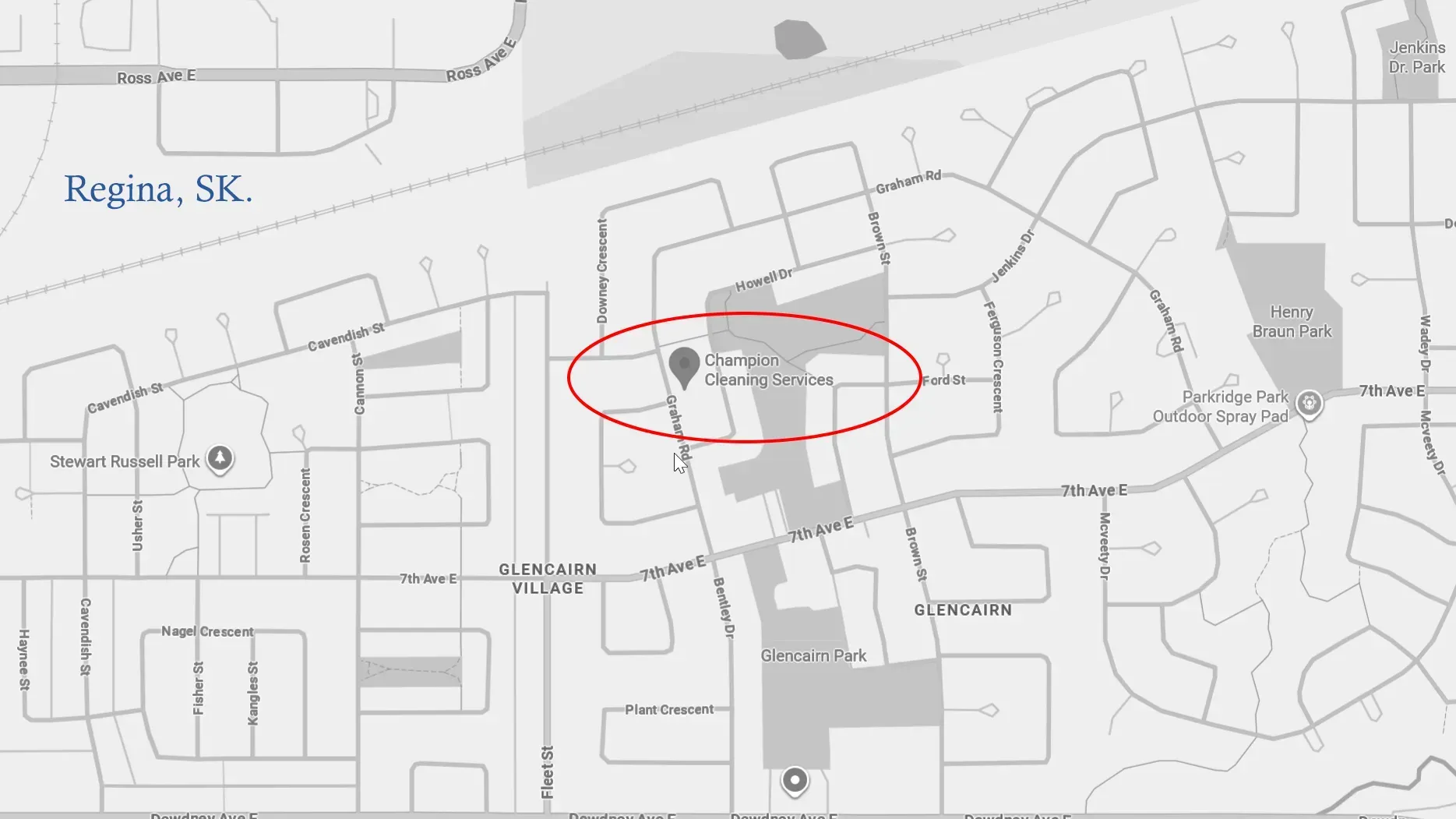
If you’d like a walkthrough of what a winter floor-care plan would look like for your specific space — mat sizing, cleaning frequency, and finish scheduling included — give us a call at 639-480-4919. We handle both one-time seasonal floor care and ongoing janitorial service for small businesses across Regina, and a quick look at your entryway is enough to tell you whether you’re on track or already behind.
Ready to work with Champion Cleaning Services?
Let's connect! We’re here to help.
Send us a message and we’ll be in touch.
Or give us a call today at 639-480-4919
blog_form
More From Our Editors ...
Champion Clean Living - Blog