Wildfire Smoke Season: Keeping the Air Inside Your Regina Home Clean
What Happens "There" Impacts "Here"
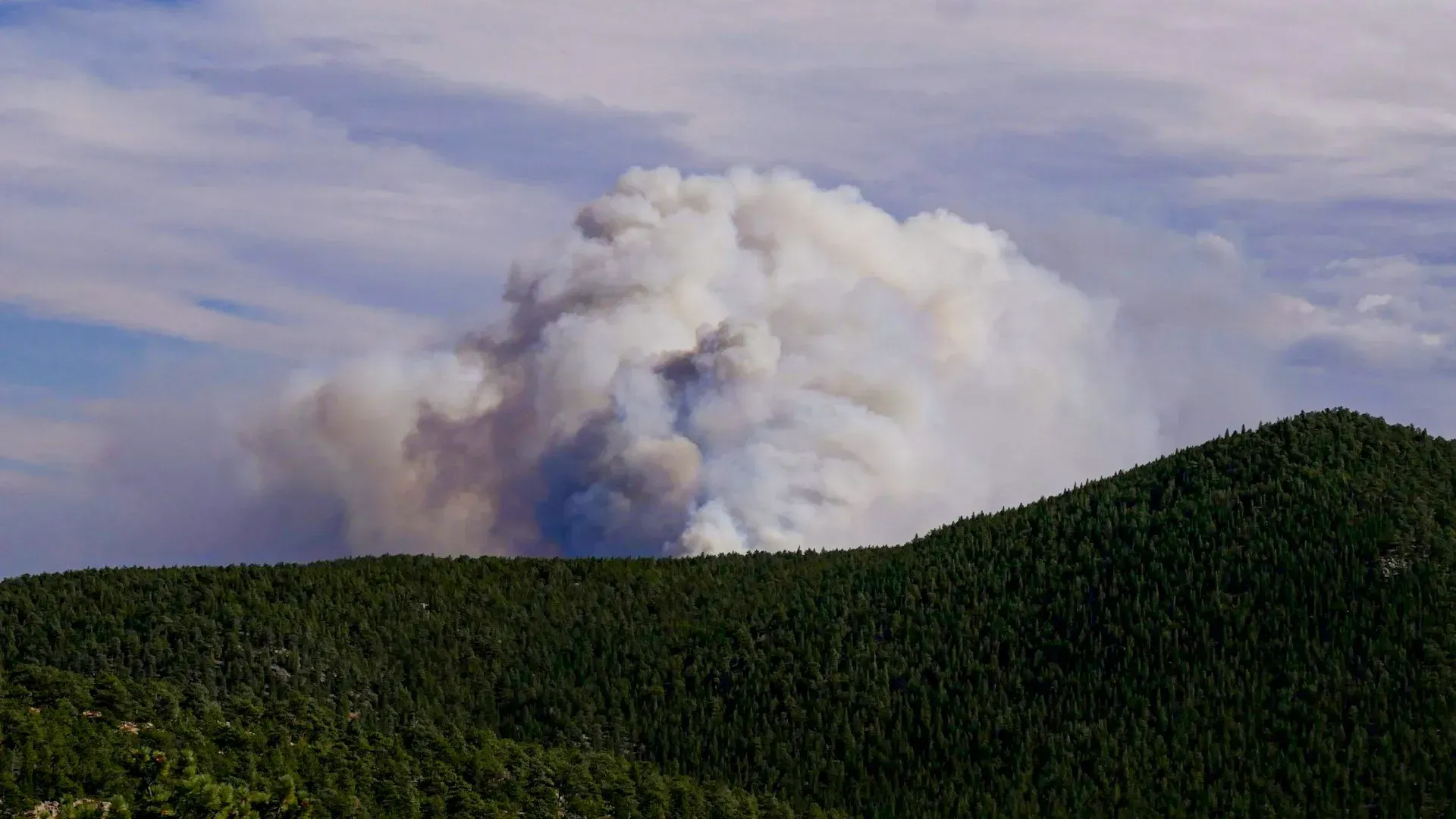
Regina has spent another summer watching the sky change colour. Smoke from wildfires burning hundreds of kilometres away — sometimes in northern Saskatchewan, sometimes drifting in from British Columbia or Alberta — rides the wind into the city and settles in for days at a time. It's become a near-annual part of prairie summers, and this year hasn't been an exception. Air quality advisories have already gone out across the province, with readings in Regina shifting from good to moderate and back again as the wind changes direction.
Most of the advice around wildfire smoke focuses on what to do outside: checking the air quality health index before a run, keeping kids and pets indoors during a bad stretch, watching for symptoms if you have asthma or a heart condition. Less gets said about what happens once that smoke finds its way inside your home — and why the cleaning that follows a smoky week matters more than most people realize.
How Smoke From Hundreds of Kilometres Away Ends Up in Your Living Room
A wildfire doesn't need to be anywhere near Regina to affect the air you're breathing at home. Fine smoke particles travel enormous distances on prevailing winds, and once that haze settles over the city, it finds its way indoors through all the normal ways air moves in and out of a house: open windows and doors, gaps around frames, and — often overlooked — your furnace or air handling system's fresh air intake. Add in smoke that clings to clothing, hair, and pets after even a short time outside, and it becomes clear why "just staying inside" during a smoke event only gets you partway to clean air.
What's Actually in That Smoke
The health concern with wildfire smoke isn't really about smell. It's about PM2.5 — fine particulate matter small enough to slip past your body's natural filtering and settle deep in the lungs, with the smallest particles able to pass into the bloodstream. Wildfire smoke also carries soot, ash, and a mix of combustion byproducts that can irritate eyes, throat, and airways even in short exposures.
Some people feel the effects more than others. Children, seniors, pregnant individuals, and anyone with asthma, COPD, or a heart condition are considered higher-risk groups during smoke events, but even healthy adults commonly notice eye irritation, a scratchy throat, or mild headaches after a heavy smoke day. None of this requires a specific medical diagnosis to take seriously — if the air outside looks hazy and smells like smoke, it's affecting the air inside your home too, whether or not you can see it.
It's also worth remembering that a smoke advisory rarely resolves in a single afternoon. Fire behaviour, wind direction, and atmospheric conditions all shift day to day, which is why Regina can go from a clear blue sky to a hazy orange one and back again within the same week. Checking a live air quality resource before deciding whether to open windows or plan outdoor time is a more reliable habit than judging by how the sky looks, since moderate smoke levels aren't always obvious to the eye.
The Part That Doesn't Air Out on Its Own
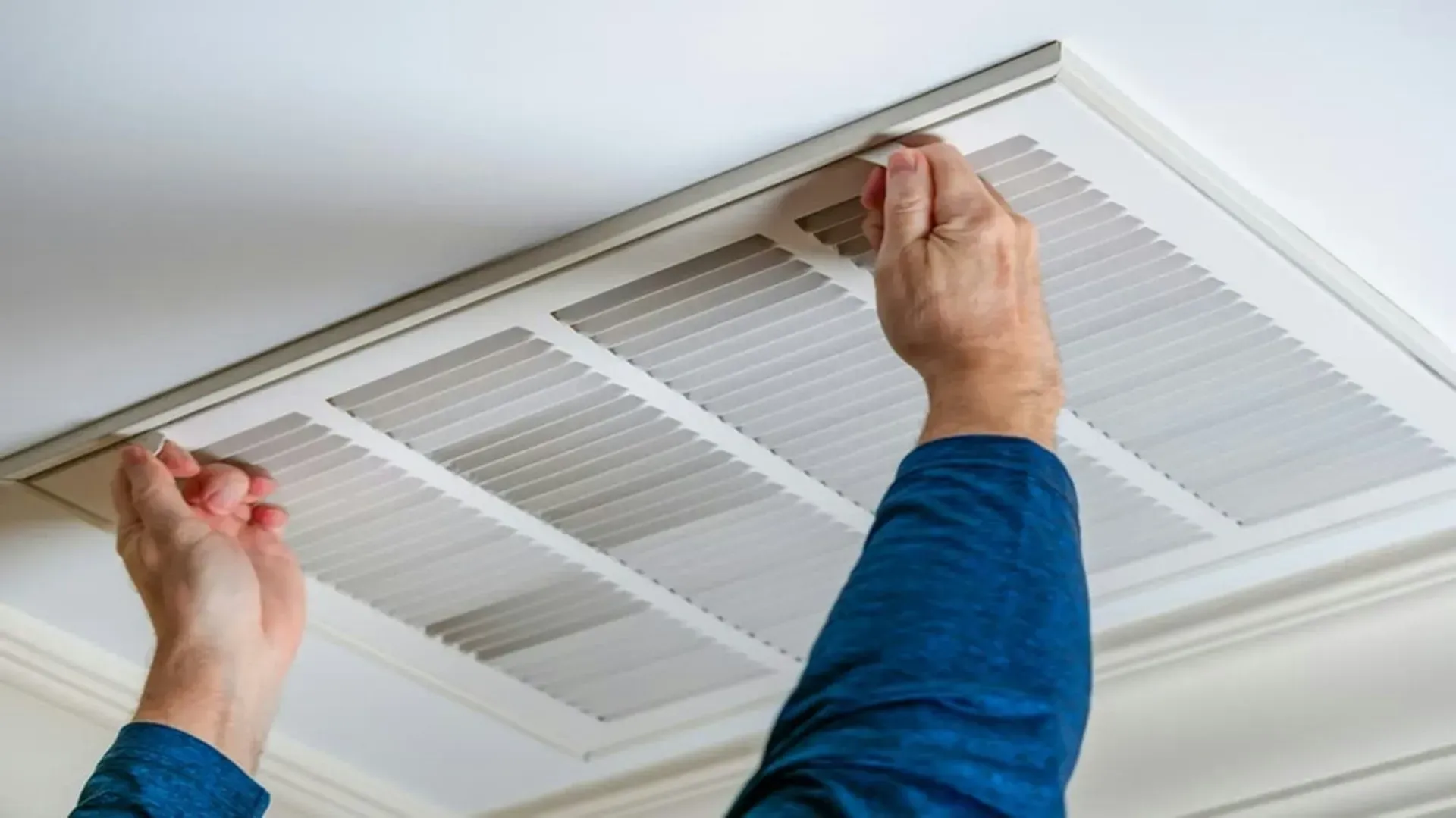
Here's the piece that's easy to miss: once the outdoor air quality improves and it's safe to open windows again, the smoke that made its way inside during the bad stretch doesn't simply disappear. Fine particulate settles onto — and into — soft surfaces throughout a home: carpet fibers, upholstery, curtains, and bedding. It accumulates in HVAC filters and ductwork, on ceiling fan blades, along the tops of door frames, and in the corners of rooms that don't get much daily traffic.
There's a bit of irony here too. Many households do exactly the right thing during a smoke event by running their furnace fan on recirculate rather than pulling in fresh outdoor air — but that means whatever particulate already made it inside before the advisory started keeps circulating through the same ductwork and settling in the same places, over and over, for as long as the system runs that way.
What You Can Do While the Smoke Is Active
A few habits make a real difference during an active smoke advisory:
- Keep windows and doors closed while the Air Quality Health Index is elevated, and only ventilate the house once readings drop back down.
- Run your furnace fan continuously on recirculate, ideally with a higher-rated filter — MERV 13 or above, if your system is rated to handle one — rather than drawing in outdoor air.
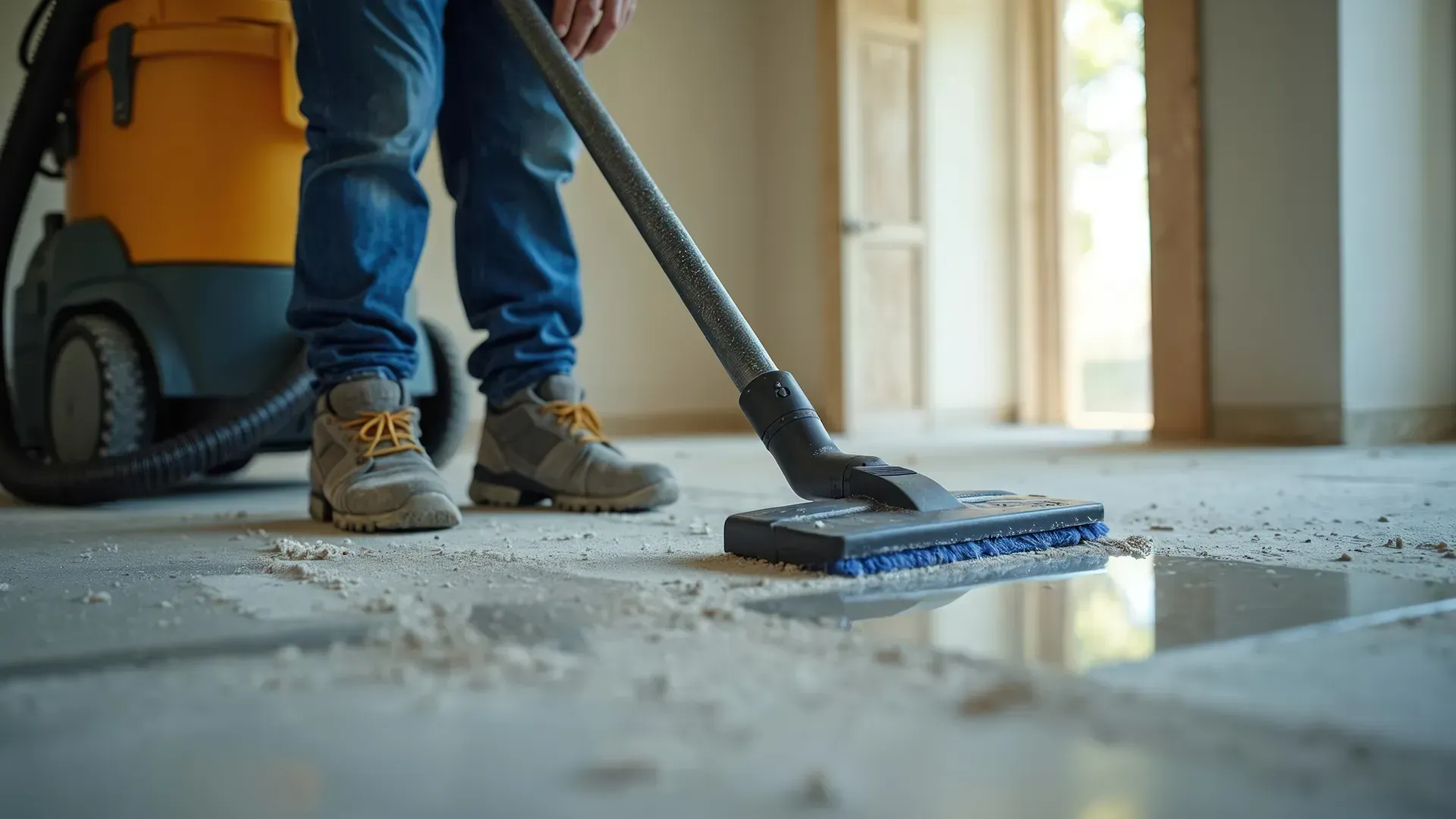
- Hold off on activities that stir up settled dust, like vacuuming with a standard filter or dry-sweeping floors, until the air quality improves. These can redistribute particulate that's already settled rather than removing it.
- If anyone in the household is in a higher-risk group, a portable HEPA air purifier running in bedrooms or the main living area adds a layer of filtration beyond what the furnace system alone provides.
The Cleanup That Actually Matters — After the Smoke Clears
This is the step that's easiest to skip, because the air outside feels normal again and the house looks the same as always. But "looks the same" and "is actually clean" aren't the same thing after a smoky week. A quick wipe-down handles the surfaces you can see. It doesn't touch what's settled inside a return air vent, worked its way into upholstery fibres, or collected on top of a ceiling fan blade you haven't looked at closely in months.
A proper post-smoke clean typically means:
- Wiping down and vacuuming vents, registers, and returns — these are where a surprising amount of settled particulate concentrates, since it's literally the path all that circulated air travelled through.
- Vacuuming upholstery and curtains, not just floors and carpets.
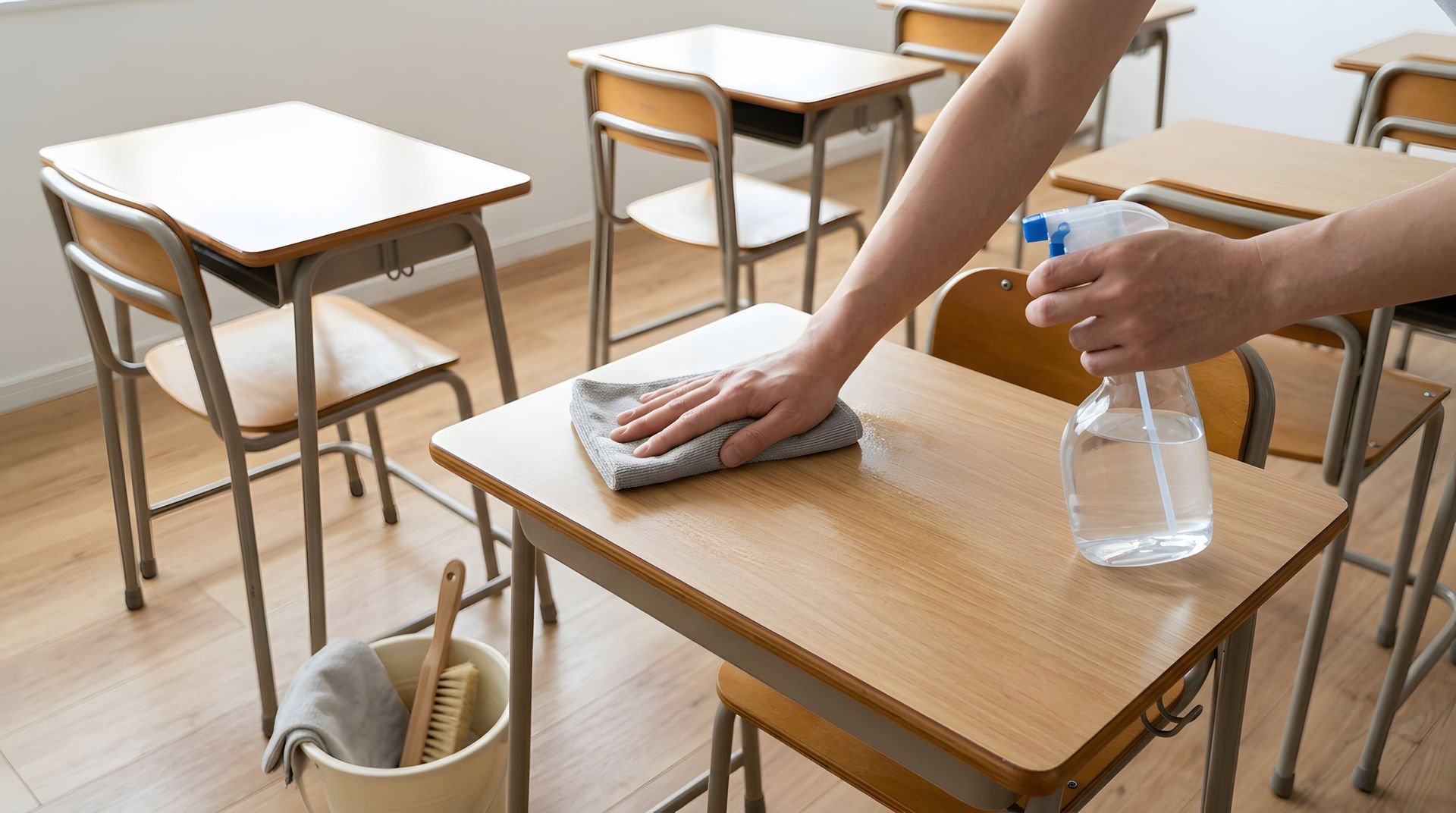
- Wiping baseboards, window sills, and window tracks, all common landing spots for fine dust that a regular clean often passes over.
- Dusting ceiling fans and light fixtures, two of the most commonly skipped spots in routine cleaning.
- Changing HVAC filters more frequently than the manufacturer's default schedule during an active smoke season, since they clog and lose efficiency faster than normal use would suggest.
A Quick Way to Judge Whether Your Home Needs the Deep Clean
Not every smoky day calls for a full reset — a single afternoon of haze that clears by evening is a different situation than a week-long advisory. A few signs it's worth planning a proper post-smoke clean:
- The Air Quality Health Index stayed in the high range for more than a day or two, rather than a brief spike.
- You noticed a smoky smell indoors at any point, even with windows closed — a sign smoke worked its way in through the HVAC system or gaps around doors and windows.
- Anyone in the household is in a higher-risk group and spent meaningful time at home during the advisory.
- It's been a while since your last deep clean, and this smoke event is layering onto buildup that was already there.
If any of those apply, treating it as a deep-clean trigger — the same way you would after a renovation or before a big seasonal changeover — is the more cautious call.
Why This Is Worth Treating as a Deep Clean, Not a Quick Touch-Up
Regular weekly or biweekly cleaning is built around the surfaces a household actually touches day to day — countertops, floors, bathroom fixtures — and for normal living, that's exactly the right level of attention. It's not designed to reach behind furniture, inside ductwork, or deep into upholstery, and most of the time, it doesn't need to. A heavy smoke week changes that equation. The exact places that collect the most residue after a smoke event — vents, fan blades, fabric surfaces, window tracks — are almost precisely the places a standard clean is built to skip.
That's the gap a deep clean is meant to close: not replacing your regular routine, but catching up on everything a smoke-heavy stretch left behind that day-to-day tidying was never built to handle.
Where Professional Cleaning Fits In
Smoke season in Saskatchewan isn't something any single household can prevent — the fires are burning provinces away, and the wind decides the rest. What is within your control is what happens indoors once the smoke clears, and a thorough clean after a bad air quality stretch does more for the air you actually breathe at home than most people expect.
If it's been a smoky few weeks and your home hasn't had that kind of attention — vents, upholstery, fan blades, and the other overlooked surfaces a regular tidy-up passes by — Champion Cleaning's deep cleaning service is built for exactly this kind of reset. Contact Champion Cleaning Services to get your home properly cleared out before the next smoky stretch rolls through.
Ready to work with Champion Cleaning Services?
Let's connect! We’re here to help.
Send us a message and we’ll be in touch.
Or give us a call today at 639-480-4919
blog_form
More From Our Editors ...
Champion Clean Living - Blog